Building Fan Communities Around Collectibles
How physical merchandise creates emotional bonds that digital content can't
The Collector Community Advantage
Collectors aren't just customers—they're evangelists. They display their passion, share their collections, and recruit others into the fandom. If you understand this, you can build communities that run themselves.
When someone buys a digital game, they get entertainment. When someone buys a collectible statue of their favorite character, they get identity. They become part of something.
This distinction matters enormously for community building. Here's how studios use collectibles to build fan communities that don't need babysitting.
Why Collectors Make the Best Community Members

Collectors exhibit behaviors that community managers dream about:
Collector Behaviors
They Share
Unboxing videos, shelf displays, social posts—collectors create content naturally.
They Connect
Collectors seek each other out. Trading, discussing, comparing—community emerges organically.
They Invest
When someone's spent $500 on your merch, they're not leaving. That kind of commitment outlasts any single product.
A player might move on after finishing your game. A collector who owns $500 of your merchandise has made a commitment. They'll defend that investment—and recruit others to validate it.
The Anatomy of a Collector Community
Successful collector communities share common structures:
Gathering Spaces
Discord servers, Reddit communities, Facebook groups, dedicated forums. Collectors need places to share, trade, and discuss. Official channels give studios insight and influence. Organic communities show authentic demand.
Status Systems
Complete collections, rare variants, early supporter badges. Collectors are motivated by recognition. Visible status markers encourage engagement and create aspiration.
Shared Rituals
Unboxing days, collection reveal threads, anniversary celebrations. Rituals create rhythm and anticipation. They give community members reasons to return regularly.
Knowledge Exchange
Authentication tips, display advice, care guides. Collectors accumulate expertise. Giving them platforms to share builds authority and engagement.
Trading Networks
Secondary markets, variant trading, regional exchanges. Trading creates connections between collectors. It keeps rare items in circulation and maintains market vitality.
Strategies for Building Collector Communities
Strategy 1: Limited Runs Create Urgency and Discussion
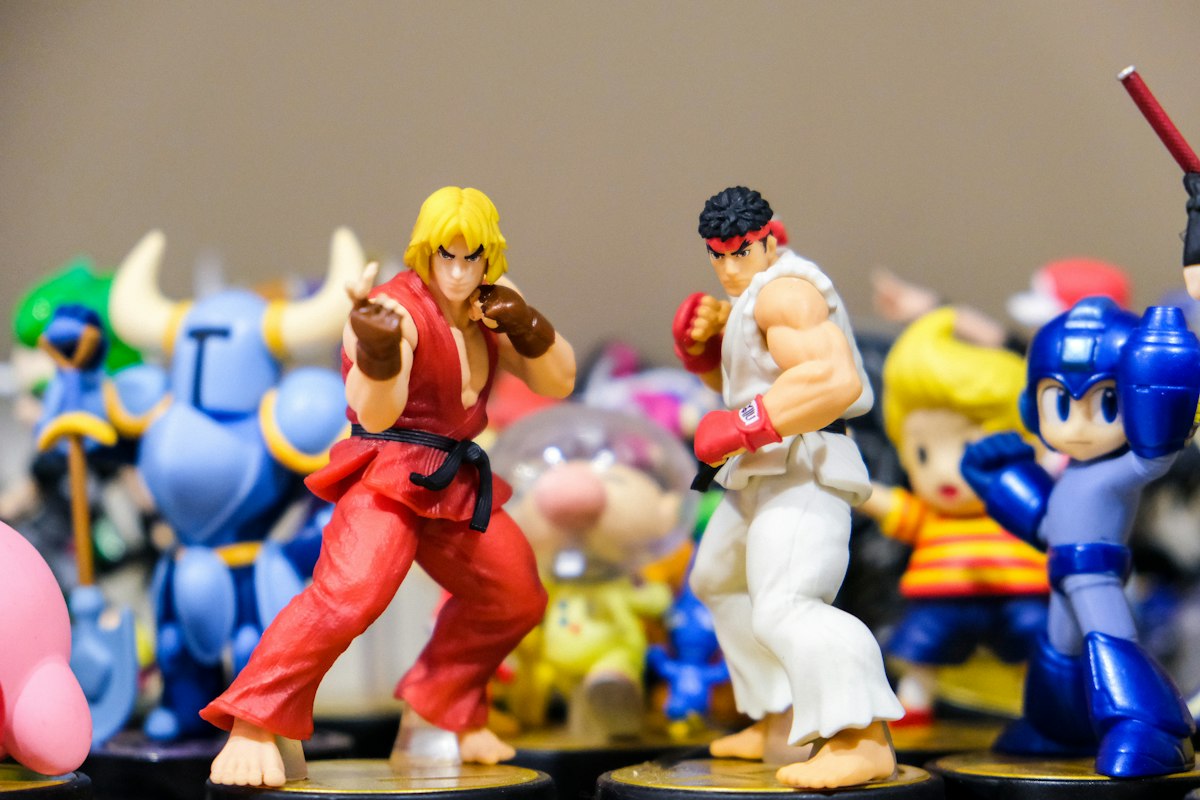
Limited editions generate community activity. Announcements spark discussion. Sell-outs create shared experiences. Aftermarket activity builds connections.
But there's a balance. Too limited alienates fans who miss out. Too available removes urgency. The sweet spot varies by community size and collector segment.
"The best limited runs sell out—but slowly enough that dedicated fans can get one. It should feel achievable but special."
Strategy 2: Variants Enable Collecting Journeys
Chase variants, exclusive colorways, regional editions. Variants give collectors goals beyond single purchases. They create reasons to trade, hunt, and connect.
Color Variants
Same sculpt, different colors. Accessible collecting entry point
Regional Exclusives
Creates trading between geographic communities
Chase Figures
Random insertion in orders. Drives unboxing excitement
Strategy 3: Early Access Builds Loyalty
Give existing collectors first access to new releases. This rewards loyalty, reduces FOMO anxiety, and creates a sense of belonging to an inner circle.
Methods include:
- VIP lists: Previous buyers get advance purchase windows
- Collector tiers: Spending thresholds unlock earlier access
- Community members: Active Discord/forum participation earns priority
- Newsletter subscribers: Email list gets pre-announcement previews
Strategy 4: User-Generated Content Amplification
The Power of Sharing
Collectors create content on their own. Repost their stuff. When a collector sees you share their shelf photo to 50K followers, they'll create ten more.
Create hashtags. Run photo contests. Feature collectors in newsletters. When collectors see their content celebrated, they create more. And their followers see it too.
Strategy 5: Behind-the-Scenes Access
Collectors love process. Show them how figures are sculpted. Share factory photos. Document the journey from concept art to final product.
This content serves multiple purposes:
- Builds anticipation between releases
- Educates collectors about value and quality
- Creates appreciation for craftsmanship
- Generates shareable content
Case Study: World of Warships Naval Legends

When we launched the Naval Legends collectibles campaign for World of Warships, community building was central to the strategy.
Key tactics included:
Naval Legends Community Strategy
Backer Discord
Exclusive channel for campaign backers with production updates and first looks.
Design Voting
Collectors voted on variant options, creating investment in outcomes.
Early Backer Badges
Visual status markers for founding community members.
The community marketed for us. Backers shared their excitement. Collection photos spread on their own. Now when we announce new pieces, we don't start from scratch—the community does the work.
Common Mistakes to Avoid
Ignoring Secondary Markets
Some studios view resale as competition. It's not—it's validation. Healthy secondary markets prove value and create news when items appreciate. Embrace them.
Over-Commercializing Spaces
Community spaces that feel like constant sales pitches die. Let collectors talk to each other. Be present, but don't dominate. The community is theirs.
Inconsistent Communication
Communities thrive on rhythm. Irregular updates create anxiety. Establish cadence and stick to it. Even "no news" updates build trust.
Artificial Scarcity Games
Collectors spot manufactured urgency. If something's "limited" but keeps getting restocked, trust erodes. Be honest about availability.
Measuring Community Health
Track these metrics to understand your collector community:
- Engagement rate: Comments, shares, reactions per post
- UGC volume: Collection photos, unboxings, reviews created
- Repeat purchase rate: Percentage of customers buying multiple items
- Referral tracking: New customers from collector recommendations
- Secondary market activity: Resale prices and volume as health indicators
The Long Game
Building a collector community isn't a campaign—it's a commitment. The studios that succeed treat collectors as partners, not just customers.
They listen. They ship what they said they'd ship. They make things people actually want. And over time, they build something that no advertising budget can buy: a community that believes in them.
Ready to Build Your Collector Community?
We build the collectibles. You build the game. The community builds itself.
Frequently Asked Questions
How do you start building a collector community from scratch?
Start with quality collectibles that create genuine value. Create gathering spaces, be present and responsive, celebrate early adopters, and let the community grow organically while nurturing key relationships.
Should collector communities be official or independent?
Both have value. The best approach is usually a hybrid—maintain official spaces while supporting independent ones. Never try to shut down organic communities.
How often should new collectibles be released?
Most successful programs aim for meaningful releases quarterly, with smaller drops in between. Quality always trumps quantity. Too frequent releases cause collector fatigue.