Live Events Are Transmedia's Hardest Play—and Its Best
Why the best transmedia strategies end with a room full of people
The Physical Gathering
Everyone streams everything. So showing up somewhere in person actually means something now. Live events create shared memories and turn online fanbases into real communities.
When Riot Games fills arenas for League of Legends World Championships, they're not just hosting a competition. They're creating pilgrimage sites for a global community.
When BlizzCon brings thousands to Anaheim, the announcements matter less than the experience. Attendees forge connections that sustain engagement for years.
They're also the hardest to pull off. Here's what works.
Why Live Events Matter More Than Ever
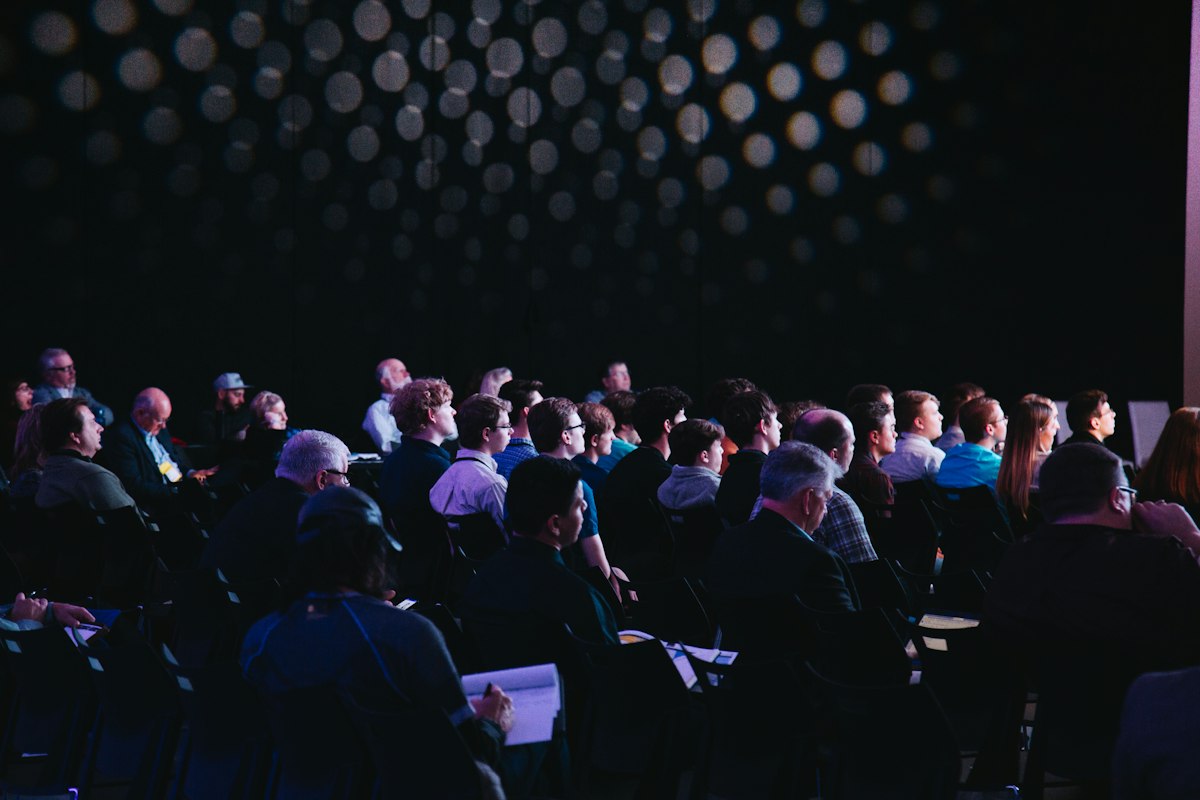
Paradoxically, digital connectivity has increased demand for physical experiences:
The Live Experience Premium
Scarcity of Presence
You can watch anything online. Being somewhere is inherently exclusive.
Social Proof
Event photos create content that validates fandom and recruits others.
Memory Formation
Shared physical experiences create stronger memories than solo digital consumption.
The Live Events Spectrum
Gaming live events range from intimate to massive:
Fan Meetups (10-100 people)
Informal gatherings organized by community members or studios. Low cost, high intimacy. Perfect for building core community relationships. Developer attendance creates disproportionate goodwill.
Convention Presence (100-10,000+)
PAX, Gamescom, TGS, and regional cons. Booths, panels, demos, and signings. Shared infrastructure reduces costs. Access to existing attendee bases. Competitive for attention.
Owned Events (100-5,000)
Studio-controlled experiences. Complete creative control. BlizzCon, Capcom Cup, MiHoYo Fan Fest. High cost but maximum brand impact. Risk if attendance disappoints.
Esports Tournaments (1,000-50,000+)
Competitive gaming as spectacle. The International, LoL Worlds, Valorant Champions. Broadcast reach multiplies physical attendance. Creates professional ecosystem around game.
Immersive Experiences (Varies)
Escape rooms, theme park attractions, pop-up installations. Players enter the game world physically. Premium pricing potential. Complex to execute well.
Case Study: League of Legends Worlds

Riot Games' League of Legends World Championship exemplifies live events as transmedia.
The event itself is just the center. Radiating outward:
- Digital content: Worlds-specific music, animations, documentaries
- Merchandise: Event-exclusive skins, physical merchandise, collector items
- Global watch parties: Organized viewing events in cities worldwide
- Content creator integration: Streamers create surrounding coverage
- Media partnerships: ESPN, mainstream sports coverage
"Worlds isn't an event. It's a season. The live finals are the culmination of months of transmedia content building to that moment."
The live event anchors an entire transmedia ecosystem. Everything points toward it, and everything radiates from it.
Starting Small: Event Strategy for Indies
You don't need Riot's budget. Here's what smaller studios can actually do:
Community Meetups
Developers buy pizza; community provides venue and organizing
Con Partnerships
Panel slots and shared booths reduce individual costs
Launch Events
Local game stores host release day celebrations
The Power of Developer Presence
For indie and mid-sized studios, the most valuable event asset is developers themselves.
The Accessibility Advantage
Fans of AAA games rarely meet developers. Indie fans can. This creates disproportionate loyalty. A developer who spends an hour talking with players creates fans for life.
Prioritize events where developers can be genuinely present, not just staffing a booth.
Immersive Experiences: The Premium Tier

Immersive experiences are the most ambitious version of this:
Types of Immersive Experiences
Escape Rooms
Players solve puzzles in themed environments. Established industry with partnership opportunities.
Pop-Up Installations
Temporary themed spaces. Launch activations, convention sideshows, touring exhibits.
Theme Park Integration
Mario at Universal. Permanent presence for franchises with mass appeal.
These experiences command premium pricing. Fans pay $50-200+ for 1-2 hour experiences they can't get anywhere else.
The Economics of Live Events
Live events economics differ from other transmedia:
Direct Revenue
Ticket sales, merchandise, food/beverage. Can be profitable at scale. Smaller events often break even or lose money—which is fine if ROI comes elsewhere.
Indirect Value
Brand building, content creation, press coverage, community strengthening. Often exceeds direct revenue but harder to measure.
Sponsorship
Hardware manufacturers, energy drinks, peripherals. Larger events attract sponsors. Offsets costs but introduces partner management complexity.
Broadcast Rights
Streaming platforms pay for exclusive coverage of major events. Requires scale and established viewership.
Integrating Events with Broader Transmedia
Live events amplify other transmedia elements:
- Collectibles: Event exclusives drive attendance and create scarcity
- Comics/Books: Author signings, panel reveals for upcoming releases
- Music: Live performances as event highlights
- Digital content: Event announcements become content moments
The best transmedia strategies use events as tent poles around which other content orbits.
Common Mistakes to Avoid
Overreaching on Scale
A half-empty venue is worse than no event. Start smaller than you think necessary. Sold-out energy beats empty seats every time.
Neglecting Online Integration
Physical attendees are always a fraction of your audience. Stream everything. Create online participation opportunities. Let remote fans feel included.
Underinvesting in Content Capture
Events generate content that serves marketing for months. Professional photography, video teams, live streaming crews. This isn't optional.
Forgetting Accessibility
Physical events exclude people. Mobility issues, geographic distance, financial constraints. Always provide alternative participation paths.
The Future of Gaming Live Events
Several trends are reshaping the space:
- Hybrid models: Physical events with robust digital components
- Regional distribution: Multiple smaller events vs. single massive gatherings
- Year-round programming: Moving from single events to continuous calendars
- Cross-franchise events: Multiple games/studios sharing infrastructure
- Immersive technology: AR/VR enhancing physical spaces
The studios figuring this out now won't have to scramble later.
Getting Started
A practical progression for building event capabilities:
- Attend and observe: Go to competitor and adjacent events. Learn what works.
- Partner first: Co-host with experienced organizers before solo events.
- Start community-led: Support fan organizers before running your own.
- Build incrementally: Each event should be slightly larger than the last.
- Invest in documentation: Post-mortems improve future events. Capture everything.
Ready to Bring Your Game to Life?
We do the collectibles and comics. If you're thinking about events too, we should talk.
Frequently Asked Questions
How much does a gaming live event cost?
Costs vary enormously. A developer meetup might cost $500-1,000. Convention booths start around $5,000-50,000. Owned events range from $50,000 to millions. Start small and scale based on demand.
Should we start with our own event or convention presence?
Convention presence offers better ROI initially. Shared infrastructure and existing audiences make conventions ideal for building experience. Own your event when you're confident you can fill the venue.
How do we measure live event ROI?
Direct metrics: ticket sales, merchandise, sponsors. Indirect: social reach, press coverage, community growth, engagement lifts. Survey attendees and track cumulative impact over time.