Music & Soundtracks as Transmedia Content
Why game music does more marketing work than studios realize
The Audio Advantage
Music is gaming's most portable content. It travels with players everywhere—in cars, at work, while exercising. Unlike other transmedia, soundtracks require no additional time investment. They layer onto existing activities.
When The Legend of Zelda: Symphony of the Goddesses tours sold out concert halls worldwide, Nintendo wasn't just monetizing nostalgia. They were creating shared experiences that deepened emotional connections to the franchise.
When Hollow Knight's vinyl soundtrack sold out in hours, Team Cherry wasn't just meeting collector demand. They were turning a $15 indie game into a premium physical brand.
Most studios ignore this. Here's what they're missing.
Why Game Music Works as Transmedia

Several factors make game soundtracks uniquely suited for transmedia expansion:
What Makes Game Music Special
Emotional Encoding
Players associate specific tracks with memorable gameplay moments. The music carries those emotions.
Repeat Exposure
Players hear game music for dozens or hundreds of hours. It's deeply embedded in memory.
Standalone Quality
Modern game scores rival film soundtracks. They work as music, not just "game music."
This creates a foundation of demand that other transmedia forms must build from scratch.
The Transmedia Music Toolkit
Game studios have multiple options for music-based transmedia:
Streaming Distribution
Spotify, Apple Music, YouTube Music. The lowest barrier option. Makes soundtracks accessible to casual listeners. Creates discovery opportunities for non-players. Generates modest but consistent royalty income. Essential foundation for any music strategy.
Physical Releases (Vinyl, CD)
Vinyl has become a collector's medium. Limited pressings sell out immediately. Multi-disc sets command premium prices. Unique colorways and artwork create variant collecting. CDs serve completionist collectors and international markets.
Live Concerts
From solo piano performances to full orchestras. Creates shared fan experiences. Generates event-based marketing. Opens sponsorship and partnership opportunities. Scales from intimate venues to arena tours.
Remix Albums & Collaborations
Artist remixes of game tracks. Cross-audience exposure. Fresh content from existing music. Platform for emerging musicians. Creates news and social buzz.
Sheet Music & Educational Content
Piano arrangements, guitar tabs, full scores. Serves musician fans. Creates learning content. YouTube cover videos become marketing. Educational institutions license for teaching.
Case Study: The Zelda Symphony
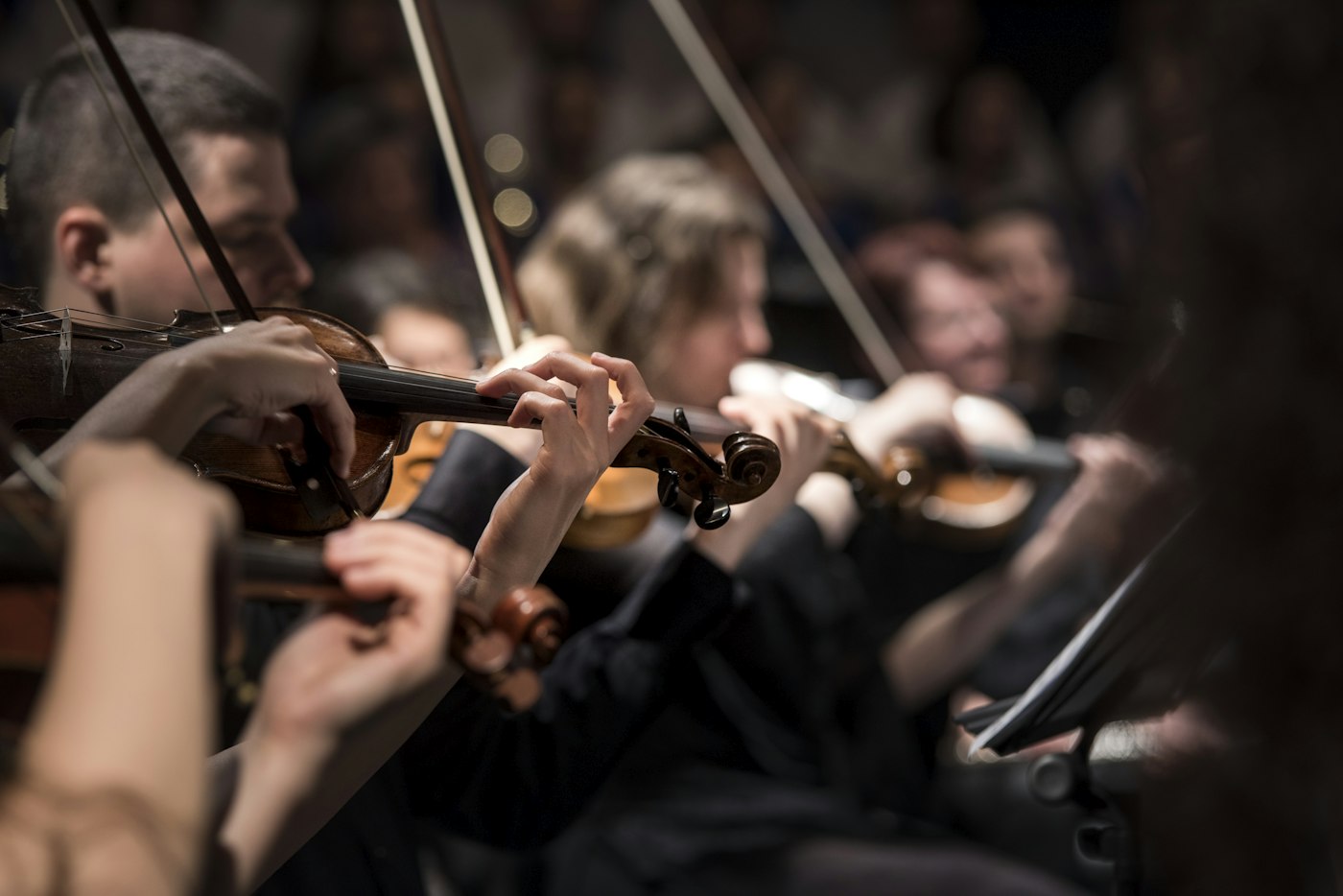
Nintendo's Symphony of the Goddesses concert series represents the pinnacle of game music as transmedia.
The concert featured a full orchestra playing arrangements from across the Zelda franchise, synchronized with gameplay footage on massive screens.
"I've played these games for 30 years. Hearing this music in a concert hall, surrounded by thousands of people who shared those experiences—it was overwhelming."
The series achieved multiple transmedia objectives:
- Monetization: Premium ticket prices ($50-$150) for a product that cost nothing extra to create
- Community building: Shared emotional experiences among fans
- Brand elevation: Positioning games as "art" worthy of concert halls
- Press coverage: Mainstream media attention beyond gaming press
- Cross-generation appeal: Parents brought children; nostalgia met new discovery
The Indie Approach: Hollow Knight's Vinyl Success
You don't need Nintendo's budget. Team Cherry's Hollow Knight demonstrates indie-scale music transmedia.
Limited Run Success
Hollow Knight's vinyl soundtrack sold out within hours of announcement. Secondary market prices quickly exceeded 3x retail. The demand demonstrated that indie games can command collector-tier pricing for physical music products.
Key success factors:
Hollow Knight's Vinyl Strategy
Quality First
Christopher Larkin's score was genuinely excellent—standalone music quality justified physical release.
Premium Presentation
Custom artwork, colored vinyl, gatefold packaging. Collector-worthy production values.
Scarcity Signaling
Limited quantities communicated value and drove urgency without artificial manipulation.
Building Your Music Transmedia Strategy
A practical framework for deploying music across your transmedia efforts:
Phase 1: Foundation
Release your soundtrack on all major streaming platforms. This costs almost nothing and makes your music discoverable. Even before physical products, streaming presence establishes your game's musical identity.
Phase 2: Physical Premium
Once you understand demand (streaming numbers, community requests), consider physical releases. Start with a single vinyl edition. Test price sensitivity. Build production partnerships.
Phase 3: Experience
If physical sales validate demand, explore live performance. Partner with existing video game concert series. Sponsor performances at gaming conventions. Scale from small to large.
Streaming
Low cost, broad reach, demand validation
Physical
Premium pricing, collector appeal
Live
Shared experience, major PR
Rights and Licensing Considerations
Music transmedia requires careful rights management:
Composer Agreements
Ensure your initial composer contracts include transmedia rights. Work-for-hire agreements typically grant full ownership. Royalty-based deals may require negotiation for non-game uses.
Performance Rights
Live performances require licensing through PROs (ASCAP, BMI, SESAC). Factor this into event budgets. International tours involve multiple jurisdictions.
Manufacturing Partners
Vinyl production has long lead times. Quality varies significantly between plants. Partner with specialists who understand collector expectations.
Integration with Other Transmedia
Music works best when coordinated with broader transmedia efforts:
- Comic releases: Spotify playlist tie-ins with scene-specific tracks
- Collectibles: Music player accessories, instrument-themed figures
- Live events: Concert merchandise that connects to game collectibles lines
- Digital content: Behind-the-scenes recording documentaries
The soundtrack ties everything else together. It's the one piece of your game people carry with them.
The Future of Game Music Transmedia
Several trends are expanding possibilities:
- Spatial audio: Immersive formats like Dolby Atmos for headphone listening
- AI arrangement: Personalized versions based on player choices
- Virtual concerts: Performances in game worlds (Fortnite model)
- Interactive albums: Music experiences that blur game/album boundaries
Start now and you'll be ready when these formats go mainstream.
Ready to Expand Your Audio Universe?
We handle collectibles and comics for game studios. If music is part of your plan, let's talk.
Frequently Asked Questions
How much does it cost to produce a vinyl soundtrack?
A standard 500-unit pressing starts around $2,500-$4,000. Premium packaging and larger runs increase costs but improve per-unit economics. Most successful releases order 1,000-2,000 units initially.
Should we put our soundtrack on streaming platforms?
Yes, almost always. Streaming costs nothing and makes your music discoverable. It builds awareness and validates demand for physical releases.
How do we organize a game music concert?
Start by partnering with existing game concert organizers or local orchestras. Provide arrangements, visuals, and marketing support. Scale from small events to larger as you build experience.